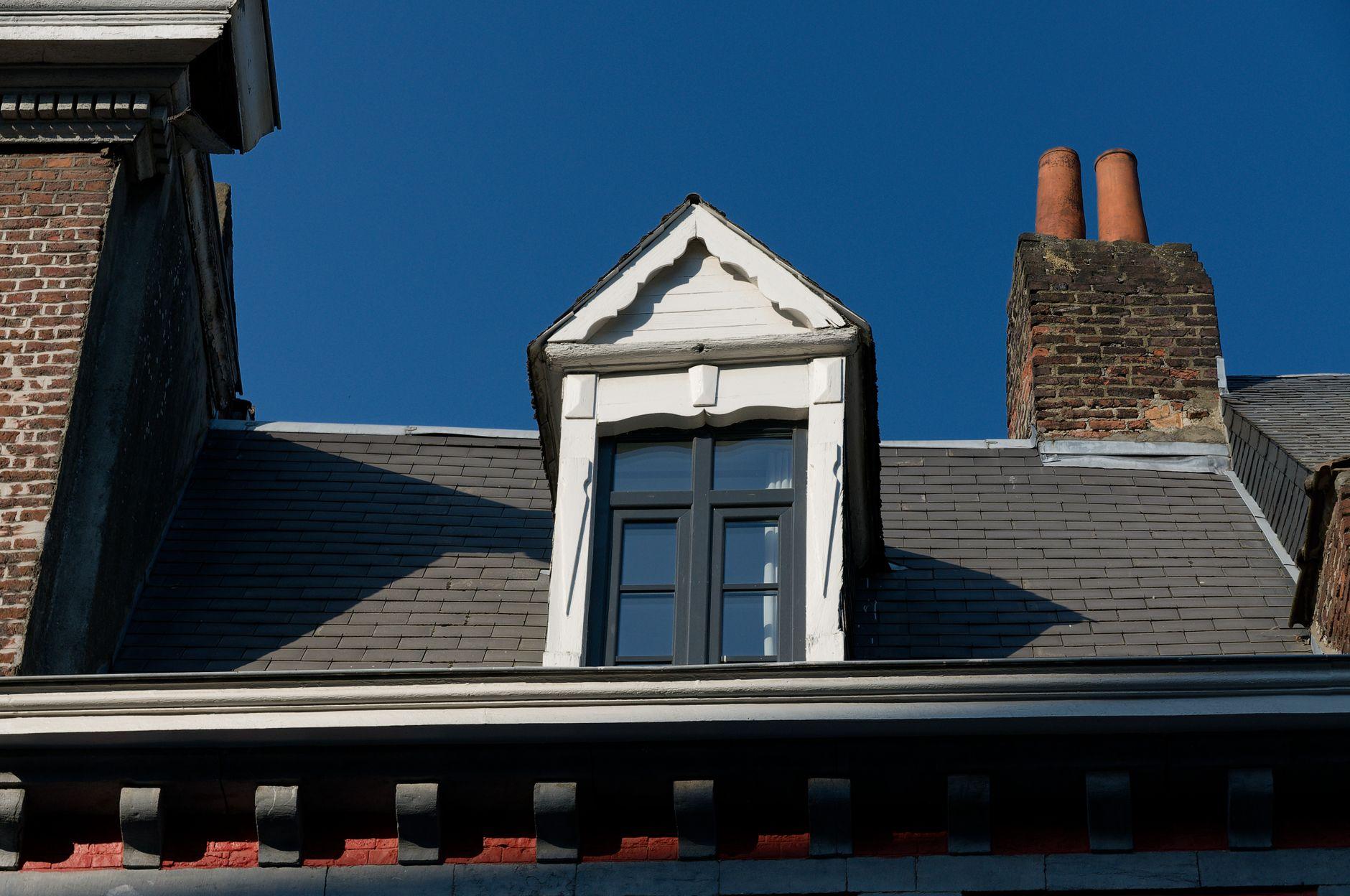
In a San Dimas home sale, the chimney report usually arrives in the middle of escrow, and the question it raises is always money: who pays, how much, and before or after closing. Eustace Chimney Works writes Level 2 reports with a priced estimate beside each finding, so buyers, sellers and both agents are arguing about the same figures. This post covers how those findings tend to turn into a deal.
Why a sale calls for the camera
When a house changes hands, the chimney standard most inspectors work from, NFPA 211, expects the camera-level visit rather than the quick visual one. The reasoning is simple enough: the new owner has never lit this fireplace and has no record of what went up the flue. A Level 2 runs a camera the full height of the flue, checks the attic and roof, and writes it up. On our list it is $385. The visual Level 1, at $53, is fine for a chimney you already use and know.
A general home inspection usually notes the chimney and recommends a specialist. That note is where our report begins.
How findings sort themselves
Most Level 2 findings in San Dimas fall into four groups, and each group tends to end up in a different place in the deal.
- Safety faults inside the flue. Cracked or missing clay tile, gaps at the joints, heavy tar. These stop the fireplace being used until fixed. Lenders and insurers sometimes ask about them, so they are usually handled before closing, either as a repair or a credit.
- Water faults at the top. A split top slab, open joints, rusted metal at the roof line, a missing hood. These rarely stop a sale but are often negotiated as a credit, since the buyer may want to choose the fix.
- Movement. A stack that has shifted, leans, or shows cracks that run through several courses. Houses here have been through the 1987 Whittier Narrows and 1991 Sierra Madre shaking, and older stacks sometimes carry the marks. These are the findings that move the price most, because the fix can range from bracing to a rebuild.
- Wear. Spalled brick in the firebox, a sticky damper, a stained face. Usually noted and left, or folded into a small credit.
Putting a number on each one
A finding without a price leaves both sides guessing. Our reports put a figure beside each one, either from our published list or written for that house. Published figures you will see most often in escrow:
- Locating and stopping a leak at the roof line: $550 to $3,300
- Water-shedding saddle on the uphill side of the stack: $440 to $990
- That saddle plus new metal round the whole roof joint: $660 to $1,650
- Sweep of a wood-burning flue: from $410
A hood over the flue is quoted after we measure.
Relining, top slab work, brick repair and rebuilds have no printed price; we write a figure for them in the report once we have the camera footage.
If you are in escrow now and the chimney has not been looked at, request a Level 2 and tell us who is booking and which side of the sale they represent. We arrange access and send the report to the person who booked, and to anyone else they name.
Repair or credit?
There is no rule, but patterns repeat:
- Repair before closing suits small, well-defined jobs: a hood, a sweep, a saddle. The buyer gets a finished job and a receipt.
- Credit suits larger or less certain work, like relining or a rebuild. The buyer picks the contractor and the level of fix after taking the keys.
- Price reduction sometimes replaces a credit when a lender limits credits.
Either way, a written estimate with options at different levels gives both sides something firm to work from. Our post on reading a chimney repair estimate explains the layout.
For sellers
A seller who books a Level 2 before listing learns what a buyer's inspector will find, and can decide before the first showing whether to repair it, lower the asking price, or list it in the disclosures. Our home sale inspection page is written for that seller.
For buyer's agents
The report is written in plain sentences so it can go into a request for repair without rewriting. More on how agents book and receive it is on our real estate agents page.
Townhouses and shared stacks
Some San Dimas townhouses and condos share a chimney between two units, or sit under an association that owns everything above the roof. In those sales, a finding at the top of the stack may not be the seller's to fix at all. Check the association's documents before agreeing to a repair or a credit for a part the owner does not hold. Our report names where each fault sits, roof, attic or room, which makes that question easier to answer.
After closing
Whatever the deal settled on, the new owner keeps the report. It records the chimney's condition on the day it changed hands, and any later estimate can be read against it. If a credit was taken, the same report becomes the starting point for the repair.
Booking during a sale
We cover San Dimas, La Verne, Claremont and Diamond Bar. Start on the contact page with the property address, whether you are buying, selling or representing one side, and who should get the report. The finished report carries photos, the camera notes and a price beside every finding.
Sounds Like Your House?
Eustace Chimney Works covers San Dimas and the San Dimas and Los Angeles County. After a visit you get the repair choices in writing, each with a price, and a clear note on anything that can wait.