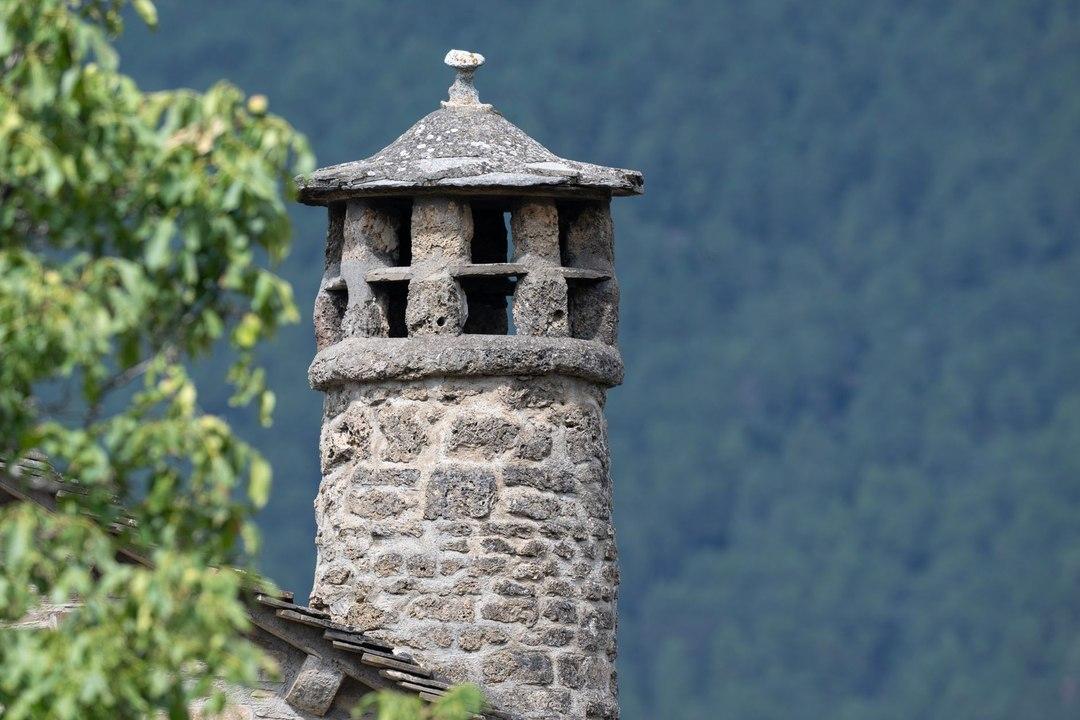
A chimney estimate with nine lines on it can feel like a bill for all nine at once. It rarely is. On most San Dimas houses we visit, two or three lines matter before the next fire, a few more matter before the rain, and the rest are choices. Eustace Chimney Works marks every line on a written estimate with one of those three labels, and this post explains how we decide which label goes where.
The question behind every label
We ask the same thing of each fault: what happens if it is left for a year? Some faults stay the same size. Some grow slowly. A few can hurt someone or burn the house. The label follows the answer, not the price, so a cheap fix can still be urgent and a costly one can wait.
San Dimas weather shapes the answers. Winter storms push water sideways into open joints. Summer heat on a south-facing stack bakes old mortar. Santa Ana gusts work at anything loose on the roof. A fault that would sit quietly on a sheltered coastal house may move faster here.
Before the next fire
These lines come first because the risk is to people, not to brick:
- A gap in the flue lining. Cracked or missing clay tile lets heat and fumes reach the brick and, behind it, the framing. Until it is relined or repaired, the fireplace stays cold.
- Heavy tar in the flue. Thick, shiny deposit is fuel waiting for a spark. A sweep, sometimes more than one visit, comes before any fire.
- A damper that will not close or open fully. Stuck open wastes heat; stuck shut sends smoke into the room.
- Wood too close to heat. A mantel or trim nearer the opening than the clearance tables allow.
- Loose brick at the top. Anything that could fall onto a path, a driveway or a neighbour's roof.
If one of these is on your sheet, the rest of the plan waits behind it.
Before the rains
Water is slow but it never stops. These lines are the ones to book ahead of the wet months:
- Open mortar joints high on the stack. Each storm washes a little more out, and each winter costs more to put right.
- A split top slab. Rain runs down through it into the brick and the flue.
- Lifting or rusted metal where the stack meets the roof. The usual source of the ceiling stain beside the fireplace.
- No hood over the flue. Rain, leaves and nesting birds all come straight down.
Put off past one winter, each of these tends to turn a repair line into a bigger one.
When it suits you
These are real, but leaving them a year does no harm:
- Hairline cracks in a face that stays dry inside.
- Soot staining or spalled face brick inside an otherwise sound firebox.
- Efflorescence, the white bloom on brick, once the water source is fixed.
- A dated surround, mantel or hearth you would like to change.
- Water repellent on brick that is not yet taking in water.
Many owners fold these into a fireplace remodel later, which spreads the setup cost.
What decides the order on your sheet
Three things move a line up or down: whether you burn in the fireplace at all, how exposed the stack is, and what the house is about to go through. A fireplace nobody lights can let the lining wait; one you use every weekend cannot. A tall stack on a hilltop above San Dimas takes more weather than a short one tucked behind a ridge. A sale, a refinance or an insurance renewal can pull cosmetic lines forward because someone else is reading the report.
If your estimate came from someone else and the urgency marks are missing, send us the list in your own words. We arrange a visit, look at the chimney ourselves, and return a sheet with every line marked by timing.
A worked example
A 1950s ranch house in San Dimas, brick chimney, one wood fireplace. The visit finds a split top slab, open joints on the top eight courses, a rusted hood, a cracked rear firebox panel and a tired brick face indoors. The sheet reads:
- Before the next fire: the cracked firebox panel.
- Before the rains: new top slab, repointing the upper courses, a new hood. A hood on its own is quoted after we measure; size and metal set its price.
- When it suits: refacing the brick inside.
That owner booked the first two groups and left the third for a remodel the following year. Nothing on the third line got worse in the meantime.
What should never wait
Two things skip the queue no matter what the sheet says. A chimney fire, with a roaring sound or flames from the top, means getting out and calling the fire department, then a Level 2 at $385 before anyone lights it again. A chimney that has moved, leans or has opened away from the wall after shaking needs a look before the next storm or tremor. Our repair options for a failed Level 2 page covers what the camera usually turns up.
Get your list sorted
Whether you have a sheet already or just a worry, the contact page is the place to start. Owners in San Dimas, La Verne and Claremont get a written estimate with each line priced and labelled, so the money goes where it matters first. For how those lines are laid out, see reading a chimney repair estimate.
Sounds Like Your House?
Eustace Chimney Works covers San Dimas and the San Dimas and Los Angeles County. After a visit you get the repair choices in writing, each with a price, and a clear note on anything that can wait.