Water stains beside a San Dimas fireplace send more owners to us each winter than any other problem. The fix can be a few feet of new metal or a rebuilt chimney top, and the price follows. Eustace Chimney Works traces the source first, then writes an estimate with the realistic options side by side. Here is how that pricing works, and which parts of a leak repair can wait.
Finding the source comes first
A chimney lets water in at more points than most people expect, and the stain inside rarely sits under the hole outside. Water can enter at the top of the flue, through the concrete slab capping the brick, through the brick face itself, or at the joint where the stack meets the roof, then travel along framing before it shows. Guessing wrong means paying for a repair that does not stop the drip.
So the visit starts on the roof and in the attic. We look at each entry point, check for rot or staining on the wood beside the chimney, and where the source is still unclear, wet one part of the stack at a time and watch the inside. The written estimate names which entry points are letting water through and which are only at risk.
The four usual culprits and their fixes
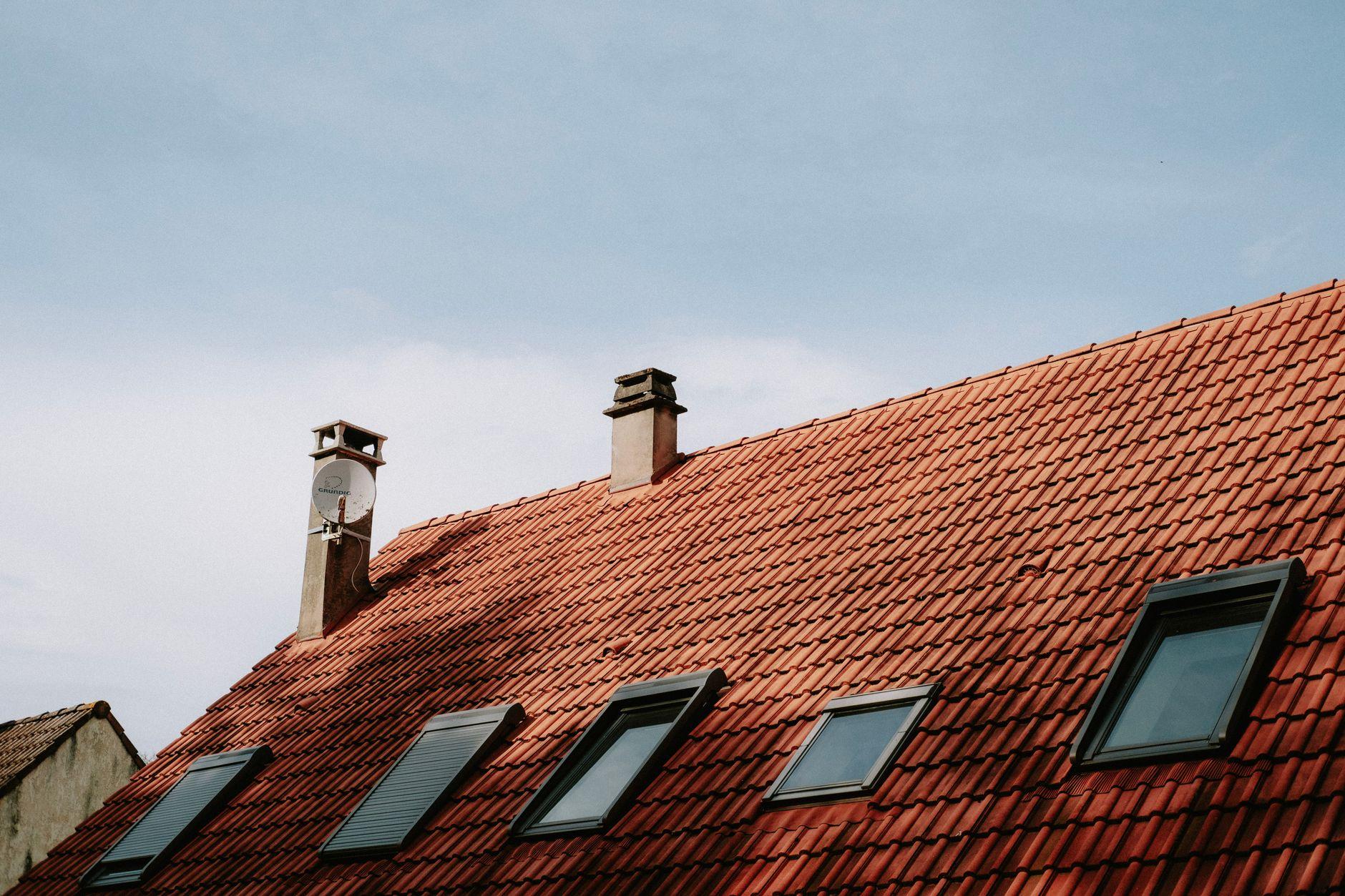
The roof joint. Metal pieces seal the gap between the stack and the roof. When they rust, lift or pull out of the mortar, water runs straight in. The fix ranges from resealing to replacing all the metal on every side. On wide chimneys, a small peaked diverter on the high side is added so water and leaves cannot pond there.
The flue opening. With no hood, rain falls straight in. A fitted hood with mesh stops that and keeps birds out.
The top slab. The concrete cap on the brick cracks with heat and age. Fine cracks can be coated; a slab that is broken through is replaced.
The brick face. Old brick and open joints soak up water like a sponge. Repointing comes first, then a breathable repellent if the brick is still taking water.
What each option costs
Some of these carry a published figure on our list. In our own words:
- Locating a leak and stopping it, most single-source jobs: $550 to $3,300
- Diverter on the uphill side, on its own: $440 to $990
- Diverter with all-new metal round the roof joint: $660 to $1,650
A hood over the flue is quoted on site. Top slab work, repointing and repellent have no printed price. The size of the top, how many courses need their joints cut out and how thirsty the brick is all change from house to house, so those lines get a figure on your own estimate.
What decides your number
- How many entry points. One rusted joint is a short job. A leak fed by the roof joint and a cracked top slab at once is two jobs on one sheet.
- Roof type. Tile has to come off and go back; composition shingle is quicker.
- Damage inside. Wet framing or insulation in the attic adds lines, and we flag them rather than closing them up.
- Height. A second-storey stack takes more setup.
The quickest route to a figure is to ask for a leak visit and tell us where the water shows inside, whether it comes with every storm or only wind-driven rain, and roughly how old the roof is. We set up the visit, find the source, and send the estimate.
Options at three levels
Like every repair we price, a leak has more than one sensible answer:
- Stop it now. Reseal the failing metal or coat the cracked top. Cheapest, and it may need a return in a few years.
- Fix it properly. Replace the metal or recast the top. The usual choice.
- Fix it and the next one. Address the at-risk points too, such as adding a hood and repellent while the crew is up there. Worth it before a sale, or when the roof is being redone anyway.
What can wait
If the leak is stopped, cosmetic damage inside can wait until the wall has dried out, which saves repainting twice. Repellent on brick that is not yet taking water can wait. A top slab with hairline cracks that has not let water through can wait a season with a note to look again. What cannot wait is a joint letting water onto framing; rot spreads quietly. Our post on which repairs can safely wait covers the wider list.
San Dimas weather and leaks
Most of our leak calls come after the first wind-driven storm of the season, when rain hits the stack sideways. The long dry months before that bake sealants and open small gaps that then fail all at once. Booking the roof joint and top slab in the dry months, before the rains arrive, is cheaper than drying out a ceiling afterwards.
Get the leak traced
We trace and repair leaks in San Dimas, La Verne, Claremont and Diamond Bar. The chimney leak repair and waterproofing pages say more about the work. When you are ready, go to the contact page and tell us where the stain is; the estimate that follows names the source and prices each fix on its own line.
Sounds Like Your House?
Eustace Chimney Works covers San Dimas and the San Dimas and Los Angeles County. After a visit you get the repair choices in writing, each with a price, and a clear note on anything that can wait.